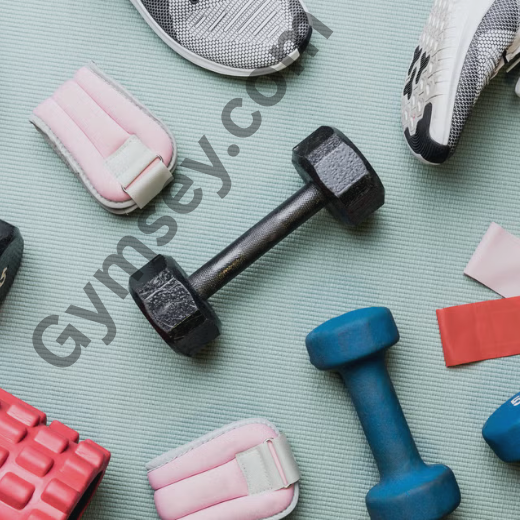

Gym Accessories that boost your workout routine. Discover what gym accessories are, their types, names, and how each one helps improve your body. Gym accessories are important for anyone who is serious about fitness. From boosting performance to improving comfort and safety, the right tools make every workout more effective. If you are exercising at home or in a gym. You can use accessories like dumbbells, resistance bands, treadmills, and ab rollers. That can help you target every muscle group: chest, arms, legs, back, and core. Stay here and get to know all fitness secrets and make yourself healthy and fit.
1. General Gym Accessories:
Despite gender and fitness level, a few gym accessories are generally beneficial. Here few of them listed.
- Gym Towel
- Gym Lifting gloves
- Gym Yoga mat
- Gym Water bottle
- Gym bag
- Gym Foam Roller
- Gym Fitness Tracker
- Gym Resistance Bands
- Gym Weight Lifting Belt
1. Sweat Control Accessories for Gym: Picking the Right Towel
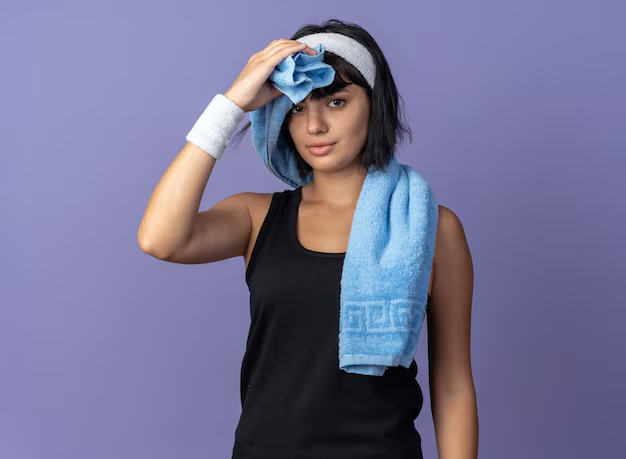
Struggling to stay focused when sweat keeps dripping? The right accessory for the gym—a soft, absorbent towel—keeps you fresh and ready to push harder.
Specifications:
- Material: Microfiber or cotton.
- Size: Small (hand towel) or large (full-body).
- Features: Sweat-absorbent, quick-drying, anti-microbial coating.
Why Gym Towel best for you?
- Helps maintain hygiene by wiping sweat.
- Protects gym equipment from sweat and bacteria.
- Lightweight and easy to carry.
- Quick-drying material saves time.
- Durable and reusable.
Why a Gym Towel is not to choose:
- Not necessary if the gym provides towels.
- May require frequent washing.
- Quality variations can affect absorbency.
- Specialized towels can be expensive.
- Some materials may feel rough.
How to use a Gym Towel:
- Use the towel to wipe sweat off your body during and after workouts.
- Place it on gym equipment to maintain hygiene.
- Ensure it is washed regularly with a mild detergent.
- Carry a compact, travel-friendly towel for convenience.
- Choose towels with anti-microbial coatings for added hygiene.
2. Workout Grip Gear: Lifting Gloves Every Gym-Goer Needs
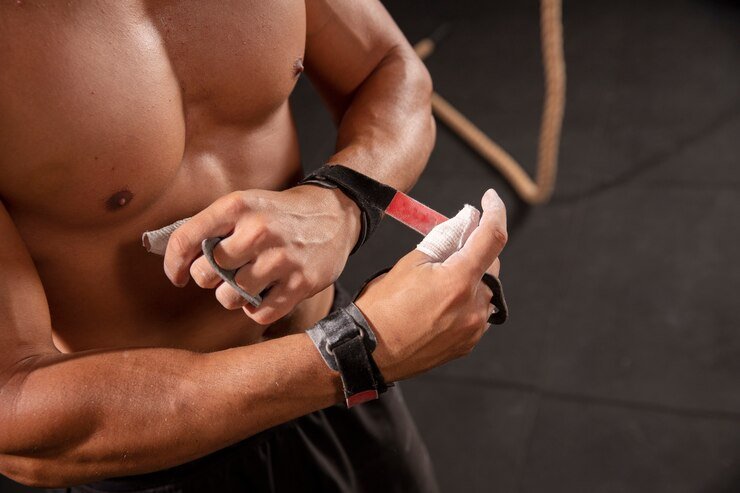
Blisters and slipping weights? A pair of essential workout accessories—lifting gloves—protects your hands and boosts your grip strength instantly.
Specifications:
- Material: Leather or synthetic.
- Padding: Foam or gel.
- Features: Wrist support, breathable fabric.
Why it’s best for you:
- Protects hands from calluses.
- Enhances grip strength.
- Reduces hand fatigue during heavy lifts.
- Provides wrist support.
- Improves safety by preventing slipping.
Why not choose:
- May feel restrictive.
- Requires frequent cleaning.
- Doesn’t replicate a natural grip.
- It can wear out over time.
- May not fit all hand sizes comfortably.
How to use:
- Choose gloves that fit snugly but not too tightly.
- Wear gloves during weightlifting to improve grip and protect your hands.
- Clean them regularly to prevent odor buildup.
- Use gloves with adjustable straps for added support.
- Replace worn-out gloves to maintain effectiveness.
3. Comfort Essentials for Gym Training: The Best Yoga Mat
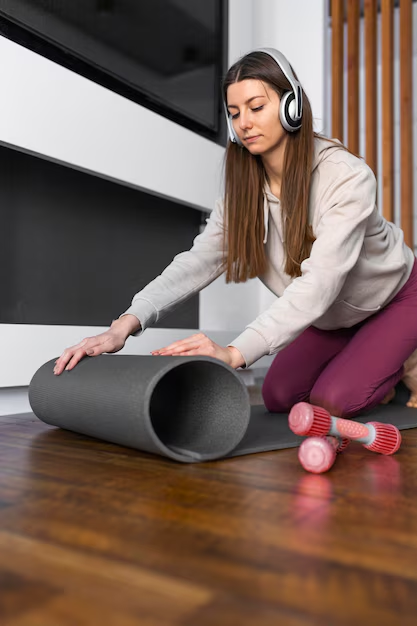
From yoga poses to post-workout stretches, this must-have gym gear—a quality yoga mat—supports your joints and improves stability.
Specifications:
- Material: PVC, TPE, or natural rubber.
- Thickness: 4mm-10mm.
- Features: Non-slip surface, lightweight, portable.
Why it’s best for you:
- Provides cushioning and support.
- Non-slip surface ensures safety.
- Portable and lightweight.
- Durable and easy to clean.
- Suitable for yoga, stretching, and bodyweight exercises.
Why not choose:
- It may wear out with frequent use.
- Some materials may initially have a strong odor.
- Not ideal for high-impact activities.
- Limited versatility outside certain workouts.
- Requires proper storage to prevent damage.
How to use:
- Unroll on a flat surface for yoga, Pilates, or stretching exercises.
- Use with bare feet or non-slip socks for better grip.
- Clean with a damp cloth after each use.
- Store rolled up in a dry place to maintain its shape.
- Use on an even surface to prevent slips or folds.
4. Hydration Gear for Gym Sessions: Choosing the Perfect Water Bottle
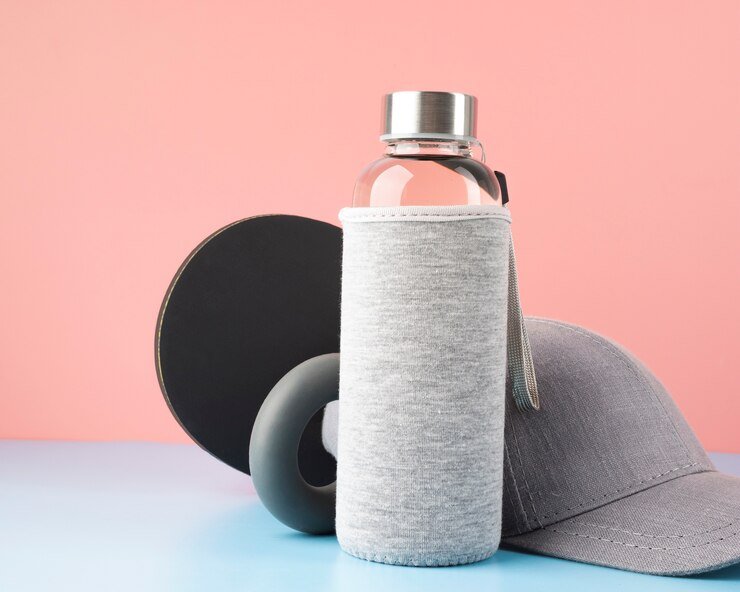
Tired of feeling drained mid-workout? This workout essential—a leak-proof water bottle—keeps hydration within reach, so you can stay hydrated and keep moving.
Specifications:
- Material: BPA-free plastic, stainless steel, or glass.
- Capacity: 500ml-1 liter.
- Features: Leak-proof, insulated, easy-to-clean.
Why it’s best for you:
- Keeps you hydrated during workouts.
- Insulated bottles maintain temperature.
- Reusable and eco-friendly.
- Convenient for the gym and outdoor activities.
- Leak-proof design prevents spills.
Why not choose:
- Can be bulky.
- May require frequent cleaning.
- Higher-end bottles can be expensive.
- Not all are dishwasher-safe.
- It can develop odors if not cleaned properly.
How to use:
- Fill with water or your preferred hydration beverage.
- Sip as needed during your workout to stay hydrated.
- Rinse and clean after every use to maintain hygiene.
- Use insulated bottles to keep drinks cool or warm for longer periods.
- Label your bottle to avoid confusion at the gym.
5. Gym Carry-All Gear: Choosing the Right Bag
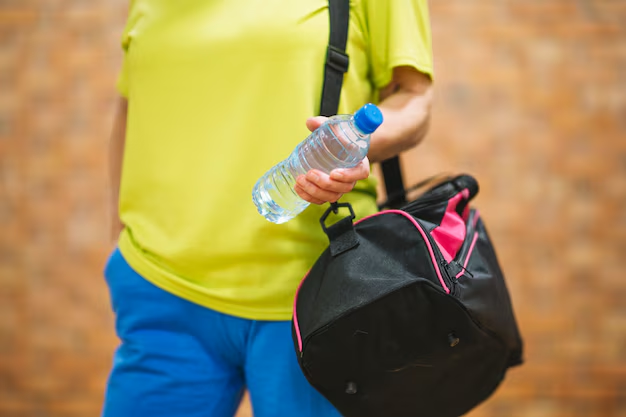
No more juggling your shoes, towel, and bottle. A training accessory, such as a spacious gym bag, keeps your essentials organized and ready to go.
Specifications:
- Material: Nylon, polyester, or canvas.
- Features: Multiple compartments, waterproof lining, adjustable straps.
Why it’s best for you:
- Keeps your gym gear organized.
- Durable and spacious.
- Waterproof options protect belongings.
- Stylish designs available.
- Lightweight and easy to carry.
Why not choose:
- Larger sizes can be cumbersome.
- High-quality bags can be pricey.
- Zippers may wear out over time.
- May require regular cleaning.
- Overpacking can cause discomfort.
How to use:
- Store in a dry area to maintain durability.
- Pack your gym essentials like towels, water bottles, and gear.
- Use separate compartments to keep items organized.
- Clean the bag regularly to prevent odors.
- Avoid overloading the bag to prevent strain on the straps.
6. Recovery Tools for Gym Training: The Foam Roller
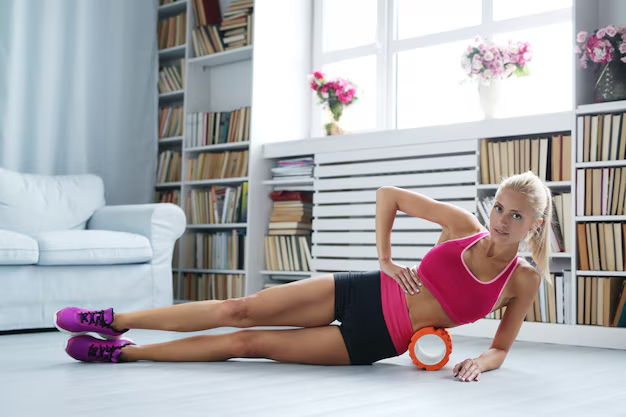
Sore muscles holding you back? This recovery-focused gym accessory—a foam roller—releases tension and speeds up muscle repair.
Specifications:
- Material: High-density foam.
- Size: Varies (short for portability, long for full-body).
- Features: Textured or smooth surface.
Why it’s best for you:
- Aids in muscle recovery.
- Improves flexibility and mobility.
- Reduces muscle soreness.
- Lightweight and portable.
- Affordable and long-lasting.
Why not choose:
- May cause discomfort initially.
- Not suitable for severe injuries.
- Larger rollers can be less portable.
- Requires proper technique.
- Limited use beyond recovery.
How to use:
- Roll targeted muscle groups slowly to relieve tension.
- Use after workouts to reduce soreness.
- Focus on problem areas like the back, legs, and shoulders.
- Avoid rolling directly on joints or bones.
- Incorporate into daily stretching routines for maximum benefits.
7. Fitness Tracking Gear for Gym Progress
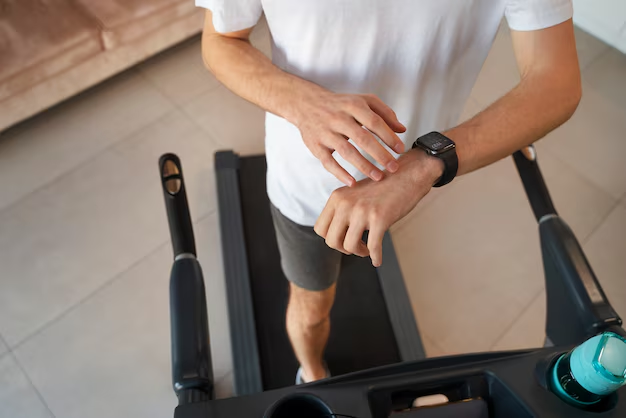
Want to know if your workouts are paying off? This smart training accessory—a fitness tracker—monitors your performance and progress.
Specifications:
- Features: Step counter, heart rate monitor, sleep tracking, GPS, and calorie burn estimator.
- Battery life: 3 to 14 days, depending on usage.
- Connectivity: Bluetooth and Wi-Fi for syncing with smartphones or fitness apps.
- Compatibility: Compatible with iOS and Android devices.
- Additional Features: Waterproof designs, stress level tracking, and workout recognition.
Why it’s best for you:
- Provides detailed insights into your fitness journey.
- Tracks your workouts and overall health metrics.
- Encourages accountability through progress tracking and goals.
- Compact, wearable, and lightweight.
- Syncs seamlessly with fitness apps to monitor long-term progress.
Why not choose:
- Higher-end models can be expensive.
- Requires regular charging, which might disrupt usage.
- Some devices may have inconsistent accuracy.
- Limited functionality without pairing to a smartphone.
- It may feel unnecessary for casual gym-goers.
How to use:
- Wear it on your wrist as per the manufacturer’s instructions.
- Sync it with your smartphone via the companion app.
- Customize goals like daily steps, calorie burn, or sleep hours.
- Monitor your progress during workouts or throughout the day.
- Charge it regularly to ensure uninterrupted tracking.
Where to purchase:
- Online retailers: Amazon, Best Buy, and Walmart.
- Brand websites: Fitbit, Garmin, or Apple (depending on the brand).
- Local electronic stores or fitness equipment retailers
8. Portable Strength Gear: Resistance Bands for Any Gym Workout
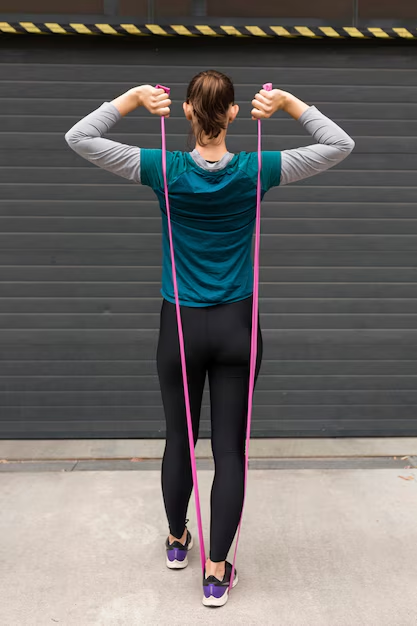
No heavy weights? No problem. These lightweight workout accessories—resistance bands—let you train anywhere with serious results.
Specifications:
- Material: Latex, rubber, or fabric.
- Resistance levels: Light, medium, heavy, and extra heavy.
- Types: Loop bands, tube bands with handles, and therapy bands.
- Features: Lightweight, portable, and available in various lengths and strengths.
Why it’s best for you:
- Lightweight and travel-friendly for workouts anywhere.
- Safe for beginners to advanced fitness enthusiasts.
- Offers low-impact resistance for joint safety.
- Budget-friendly and durable with proper care.
Why not choose:
- It can snap or wear out if not maintained.
- Resistance levels may feel inconsistent across brands.
- Limited resistance compared to free weights for advanced lifters.
- Fabric bands might be bulkier compared to latex ones.
- May require proper technique to avoid strain or injury.
How to use:
- Choose a resistance level suited to your fitness level.
- Incorporate them into exercises like squats, lunges, and bicep curls.
- Use for warm-ups or cool-down stretches.
- Anchor them to a sturdy surface for pulling or pushing movements.
- Clean bands with mild soap and store them away from sharp objects.
Where to purchase:
- Online stores: Amazon, Rogue Fitness, and Decathlon.
- Brand-specific websites: Thera band or TRX.
- Local fitness or sports stores.
9. Supportive Gear for Heavy Lifting: The Weight Lifting Belt
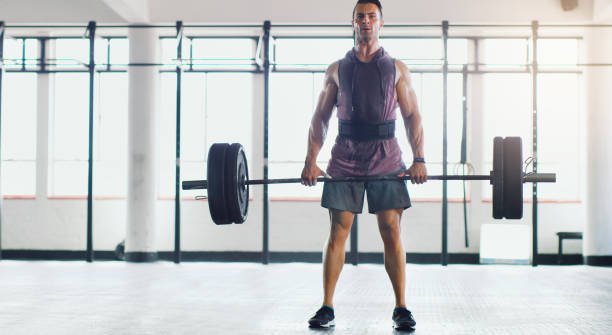
Going heavy on squats or deadlifts? This protective gym accessory—a weight lifting belt—supports your core and prevents injury.
Specifications:
- Material: Leather, nylon, or suede.
- Width: Typically 4-6 inches for optimal back support.
- Features: Adjustable straps or buckles, contoured designs for comfort.
- Sizes: Available in various sizes to fit different waist measurements.
Why it’s best for you:
- Provides critical support to your lower back and core during heavy lifts.
- Improves stability and reduces the risk of injuries.
- Enhances lifting performance by maintaining proper posture.
- Durable and designed to withstand intense workouts.
- Suitable for powerlifting, weightlifting, and strength training.
Why not choose:
- It may not be necessary for light or moderate weightlifting.
- Incorrect usage can lead to dependency or improper technique.
- Leather belts may feel uncomfortable for some users.
- Requires proper sizing to ensure effectiveness.
- It can be bulky and less portable than other accessories.
How to use:
- Wear the belt snugly around your waist, just above your hips.
- Secure the buckle to provide firm but comfortable support.
- Use it during heavy lifts like deadlifts, squats, or bench presses.
- Avoid over-tightening as it can restrict breathing.
- Clean it periodically and store it in a dry place to maintain its durability.
Conclusion:
In conclusion, gym accessories play an important role in increasing workout performance, providing comfort, and ensuring safety during exercise. ALL these tools provide support for various fitness goals, whether building strength, improving flexibility, or tracking progress. By investing in the right gym accessories, individuals can elevate their fitness routines and achieve more efficient and enjoyable workouts. Ultimately, the right accessories contribute not only to better results but also to a more consistent and sustainable fitness journey.